

Dyeing a wig will transform your look, allowing you to experiment with vibrant colors or subtle hues without committing to a permanent change.
Whether you’re aiming for a bold, new style or want to refresh your wig’s color, knowing how to dye a lace front wig correctly is essential.
This manual article will guide you through the process, giving detailed instructions, professional advice, and necessary tools to ensure your wig looks fantastic.
Learn the art of wig coloring and achieve high-quality results without leaving your home.
Which is the Best Hair Dye for a Wig?
Remember a few essential considerations when choosing the best hair dye for wigs.
For Human Hair Wig:
- If you have a human hair wig, you have the flexibility to use any regular hair dye available in stores.
For Synthetic Wig:
- However, traditional hair dyes don’t work for synthetic wigs.
- You must use specific dyes designed for synthetic materials to dye synthetic fibers effectively.
- Two excellent options for synthetic wigs are Rit DyeMore and iDye Poly, designed to penetrate the synthetic fibers and provide vibrant and long-lasting colors.
How to Choose a Dye Color?
Choosing the right color for your wig is a crucial step that can be exciting and challenging.
It’s essential to consider the style you’re aiming for and avoid choosing a color that might not suit it.
This section will provide helpful tips to help you make an informed decision, ensuring you feel confident in your color choice and excited about the transformation.
✅ Consider Your Skin Tone:
Reds, oranges, and golden hues look great in warm tones, while blues, greens, and ashy shades complement cooler tones. Neutral skin tones can pull off a wide variety of colors.
✅ The Base Color of The Wig:
Lighter wigs offer more flexibility and vibrant results, while darker wigs might require bleaching first for the dye to show effectively. Always consider the current color of your wig and how it will interact with the new dye.
✅ Desired Outcome:
Using a color wheel will help you choose complementary or contrasting colors for a bold statement.
If you want a natural look, consider selecting shades close to your current hair color. However, bold and contrasting colors might be the way to go if you want a dramatic change.
Tools and Products Needed:
Having all the necessary tools and products is crucial for dyeing a lace front wig. This guide provides a comprehensive list, ensuring you’re fully prepared and ready to begin the process confidently.
- Hair dye or fabric dye (depending on the type of wig you have)
- Developer: Use a 20-volume developer to lighten your wig by 1 to 2 shades and a 30-volume developer to lighten it by 2 to 3. Using anything more potent than a 30-volume developer will damage the wig.
- Dye brush
- Mixing bowl
- Gloves
- Vaseline (to protect the lace on the wig)
- An old towel or cape
- Long spoon (for watercolor)
- Wig stand or mannequin head
- Aluminum foil or plastic wrap
- Mild shampoo and conditioner
- Plastic tub (only needed for the watercolor method)
Dye Your Wig Step by Step!
Are you considering dyeing your wig? Here’s a step-by-step procedure for dyeing a lace front wig to help you achieve vibrant and long-lasting results.
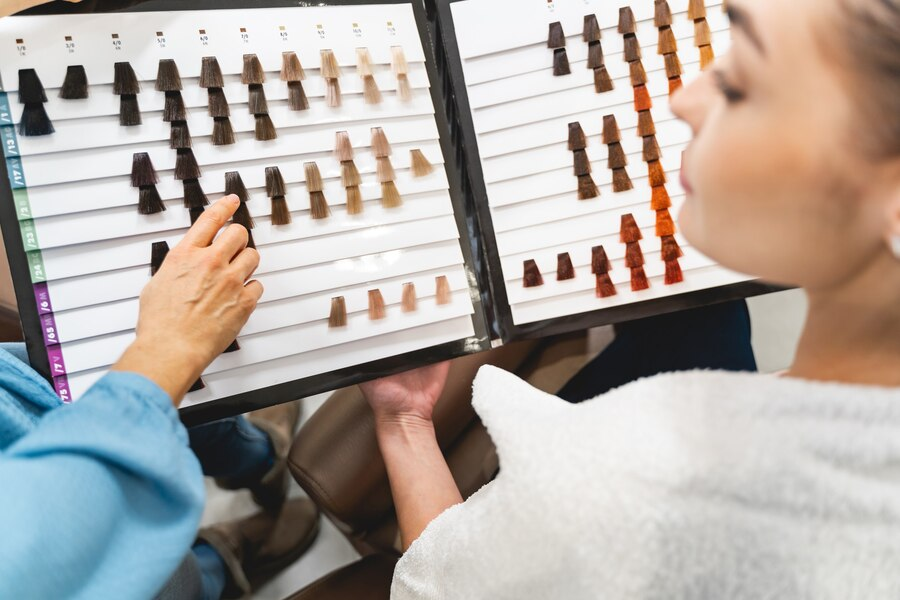
1- Choosing the Right Wig
First, it’s crucial to choose the correct wig for dyeing. For the best results:
- Selecting a human hair wig that will absorb dye like natural hair.
- While synthetic wigs can be dyed, the process is different and may yield less vibrant and long-lasting results.
- Check the label to confirm whether the wig is made of human hair or synthetic fibers.
2- Preparing the Wig for Dyeing
Once you have your wig, the next step is to prepare it for the dyeing process.
- Start by washing the wig with a mild shampoo to remove any product buildup and oils.
- Thoroughly rinse the wig and allow it to air dry completely.
- Use a wide-tooth comb to detangle the wig, ensuring the hair is free of knots and tangles before proceeding. For detailed instructions on this step, refer to how to detangle the wig.

3- Protecting the Hairline and Scalp
- To protect your skin and the lace from staining, apply petroleum jelly around the wig’s hairline, especially if it has a lace front.
- This step is essential as it prevents the dye from seeping through and staining your skin.
4- Mixing the Dye
When mixing the dye, follow the instructions on the dye package carefully.
- Dissolve the fabric dye in hot water if dyeing a synthetic wig as instructed.
- Mix the hair dye in a bowl according to the manufacturer’s directions for human hair wigs.
- If you’re using a permanent dye, mix the color with a developer (10, 20, or 30) as per the instructions on the dye packaging.
- Wear gloves during this step and ensure the dye is well-mixed to avoid uneven color application.
5- Applying the Dye
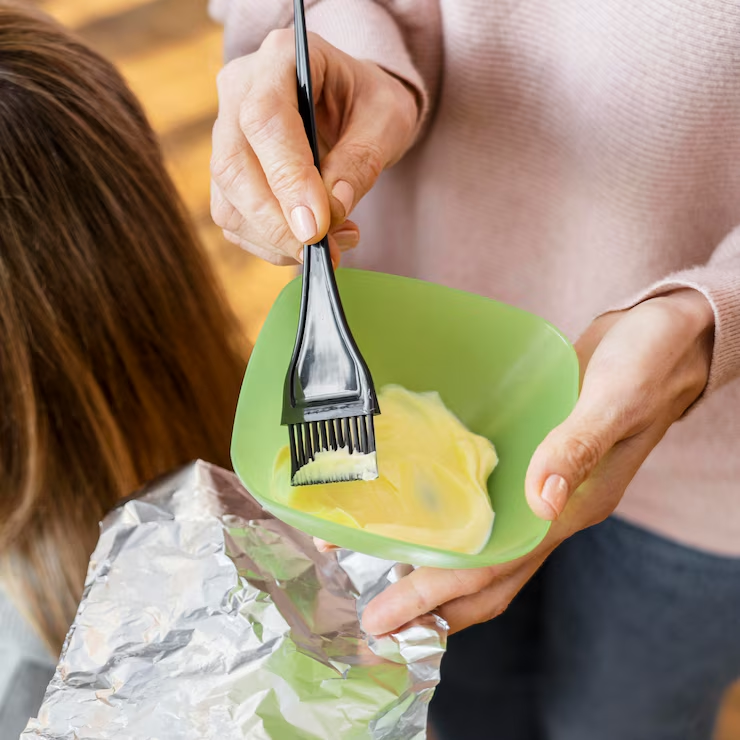
- Before applying the dye, the wig should be prepared by placing it on a wig stand or mannequin head.
- Then, divide the wig into 4 to 6 equal sections for a more accessible application.
- Using a dye brush, start from the roots and work to the tips, applying the dye evenly.
- Using gloves and a small brush is essential to prevent staining the lace and ensure complete saturation of each hair strand.
- If using multiple colors or creating an ombre effect, carefully plan your sections and apply the dye methodically to achieve the desired look.
Processing For Watercolor Dye:
The watercolor technique involves submerging the wig in a pot of dye and hot water when processing the dye. To do this:
- Dispense a generous amount of piping hot water into a plastic tub and add a few drops or globs of semi-permanent dye.
- The more dye you add, the richer the resulting color will be.
- Mix thoroughly until the color is completely dissolved in the water.
- Once prepared, dip the wig into the colored water, ensuring it’s completely submerged, and leave it in the water for a few minutes while gently swirling it around.
For Semi-Permanent and Permanent Hair Dyes:
For semi-permanent and permanent dyes, follow the instructions on the dye package.
- Cover the wig with aluminum foil or plastic wrap after application.
- As a result, this helps the dye penetrate the hair fibers.
- It also prevents them from drying out during the processing time.
- Processing time is typically between 20 and 40 minutes.
- It’s vital to avoid leaving the dye on too long. This will damage the hair fibers.
6- Rinsing and Conditioning
After dyeing the wig:
- Rinse it with cool water until it runs clear to remove any excess dye.
- Use a deep conditioner to keep the hair soft.
- Let the conditioner sit for a few minutes before rinsing it out.
- Moreover, this is important for keeping the wig looking and feeling good.
7- Styling the Wig
- Gently blot the wig with a towel to remove excess water and let it air dry on the wig stand.
- Avoid using a blow dryer, as excessive heat will damage synthetic and human hair wigs.
- Once dry, style it using low-heat tools to avoid damaging the hair fibers.
- For synthetic wigs, use styling tools designed for synthetic hair to prevent melting or frizzing.
Moreover, If you’re interested in achieving a natural look, learn how to cut a lace front wig for a perfect finish.
Maintaining the Dyed Wig!
To maintain the vibrancy and longevity of your dyed wig, follow these tips:
- Sulfate-free shampoos and conditioners are recommended because they are gentler on the hair and help preserve the dye.
- Heat will cause the dye to fade and damage the hair fibers, so using heat styling tools sparingly and always at low temperatures is advisable.
- Store the wig on a stand or in a box to prevent tangling and damage when not in use.
- Keep it away from direct sunlight to prevent the color from fading.
- Depending on wear frequency and care, you may need to re-dye the wig periodically to maintain the color.
Conclusion:
Coloring a wig’s human hair will be a fun and transformative experience, allowing you to switch up your look with minimal commitment.
Selecting the suitable dye, following the proper steps, and maintaining your wig carefully will achieve stunning, head-turning results.
The possibilities are endless, whether you want to refresh an old wig or create a bold new style.
Frequently Asked Questions(FAQs):
1. Can I dye a synthetic wig?
Yes, but you must use fabric dyes designed explicitly for synthetic fibers, as traditional hair dyes won’t work on synthetic wigs.
2. How long does the dye last on a wig?
The longevity of wigs depends on the type of dye used and how often they are washed and styled. Typically, they will last several weeks to a few months.
3. Can I use regular hair dye on a synthetic wig?
No, regular hair dye cannot be used on synthetic wigs as synthetic fibers, usually nylon or acrylic, cannot absorb regular hair dye. Fabric dye or specialized synthetic wig dyes should be used instead.
4. What’s the best way to remove dye from a wig?
Baking soda is a natural cleaner that will help lighten and remove hair dye without bleaching.
When mixed with dandruff shampoo containing ingredients that will fade hair color, it creates a potent mixture for removing dye from hair.
5. How can I make the dye last longer on my wig?
To make the dye on human hair wig longer, it’s recommended to protect it from water, shampoo, heat, and sun and keep the hair nourished with adequate hydration. Re-dyeing as needed will help maintain vibrancy.

